Welcome
Discover how Neuromorphic Computing is revolutionizing technology and helping reduce Electronic Waste (E-waste) in line with SDG-12: Responsible Consumption and Production. As our world becomes increasingly digital, the need for smarter, more sustainable electronics is greater than ever. Neuromorphic computing, inspired by the human brain, offers a new paradigm for building energy-efficient, adaptive, and intelligent devices that can help address the mounting challenge of e-waste.
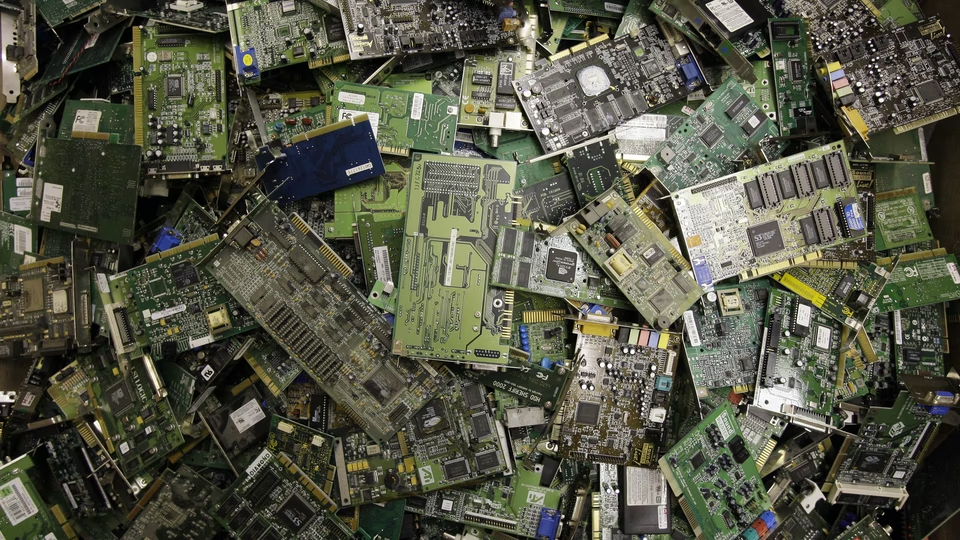
Electronic waste is one of the fastest-growing environmental problems worldwide. The rapid pace of technological innovation means that devices become obsolete quickly, leading to mountains of discarded electronics. Neuromorphic computing, with its promise of longer-lasting, more efficient hardware, offers hope for a future where technology and sustainability go hand in hand.
With the proliferation of smart devices, the demand for energy-efficient and sustainable solutions is at an all-time high. Neuromorphic computing not only addresses the technical challenges of modern electronics but also paves the way for a greener, more responsible digital future.
By integrating neuromorphic principles into device design, manufacturers can create products that are not only powerful and intelligent but also environmentally conscious. This shift is essential for achieving global sustainability goals and ensuring a healthy planet for future generations.
Our mission is to bridge the gap between advanced technology and environmental responsibility. We believe that by educating the public and fostering innovation, we can inspire a new generation of engineers, designers, and consumers to prioritize sustainability in every aspect of technology.
Explore our website to learn more about the science behind neuromorphic computing, its real-world applications, and how you can contribute to a more sustainable digital world.
What is Neuromorphic Computing?
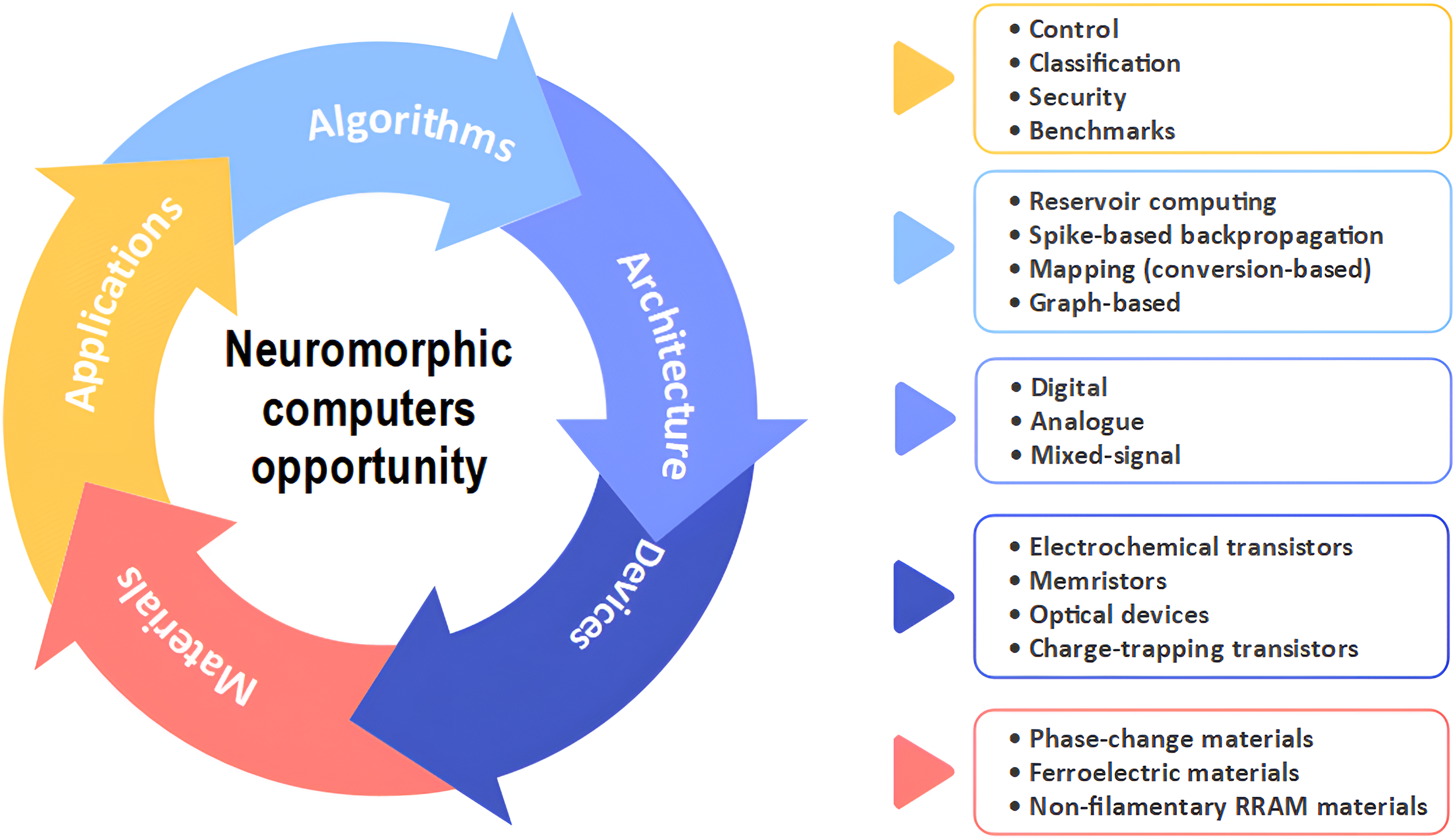
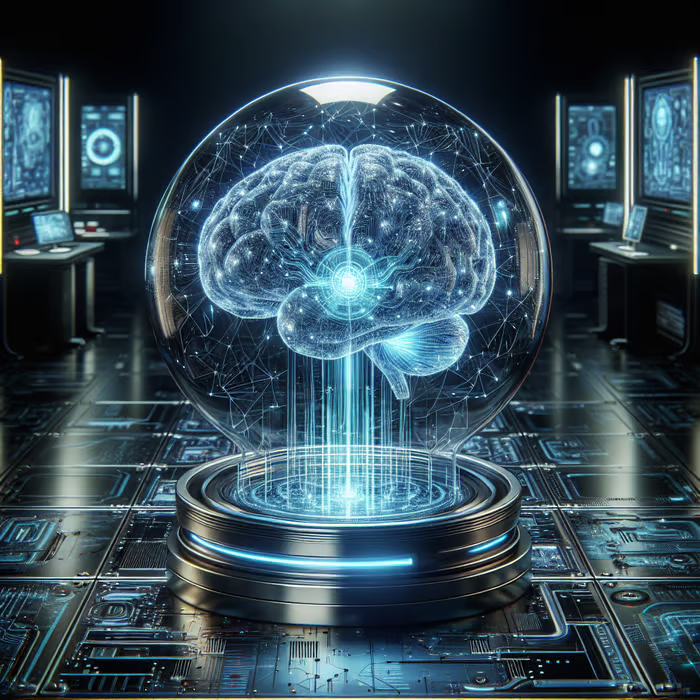
Neuromorphic computing is a cutting-edge field that seeks to replicate the neural structure and processes of the human brain in computer hardware. By leveraging brain-inspired architectures, neuromorphic chips can process information in parallel, adapt to new data, and operate with remarkable energy efficiency. This technology is paving the way for the next generation of artificial intelligence, robotics, and smart devices, all while minimizing environmental impact.
Unlike traditional computers, which rely on rigid, sequential processing, neuromorphic systems are inherently flexible and resilient. This means they can continue to function even when parts of the system fail, much like the human brain. As a result, devices powered by neuromorphic hardware are not only smarter but also more durable and sustainable.
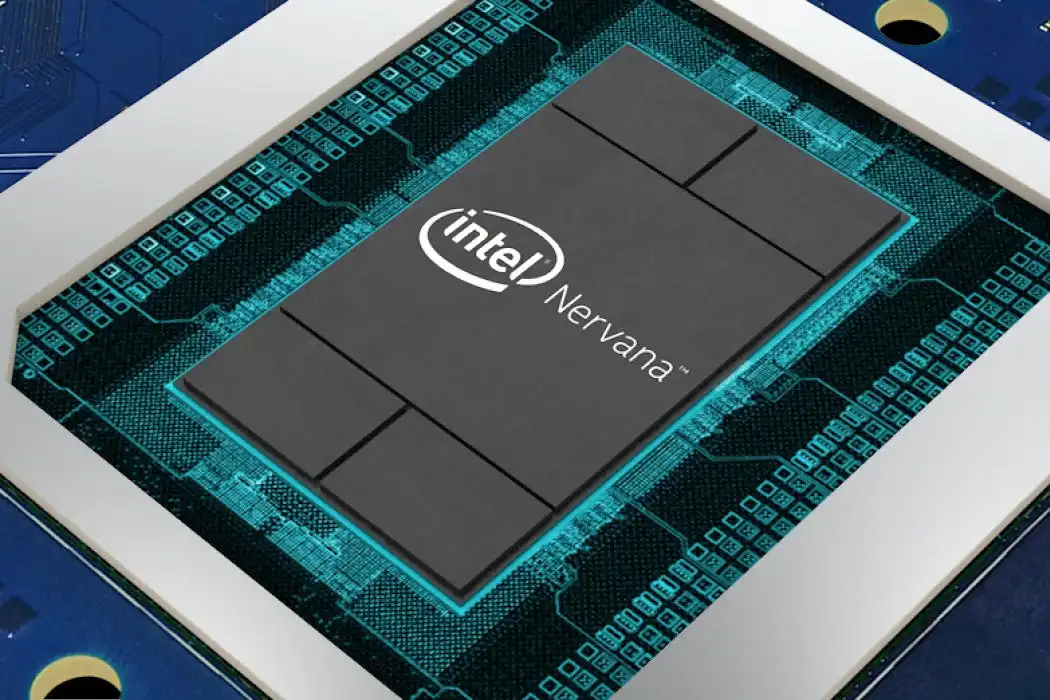
Neuromorphic chips are designed to learn and adapt, making them ideal for applications that require real-time decision-making and pattern recognition. Their low power consumption and high efficiency make them a promising solution for edge computing, where energy resources are limited and sustainability is crucial.
Recent advancements in neuromorphic engineering have led to the development of chips that can mimic synaptic plasticity, enabling machines to learn from experience and improve over time. This breakthrough has significant implications for fields such as autonomous vehicles, healthcare, and environmental monitoring.
By bridging the gap between biological intelligence and digital technology, neuromorphic computing holds the potential to transform industries and create a more sustainable, interconnected world.
As research continues, we expect to see neuromorphic systems integrated into everyday devices, making technology more intuitive, efficient, and environmentally friendly. The future of computing is not just faster and smarter—it's also greener.
Why SDG-12?
SDG-12, or Sustainable Development Goal 12, focuses on responsible consumption and production. With the rapid pace of technological advancement, electronic waste has become a critical global issue. Millions of tons of e-waste are generated each year, much of which ends up in landfills, polluting the environment and wasting valuable resources.
Innovative solutions like neuromorphic computing can help reduce the environmental impact of discarded electronics by making devices more energy-efficient, longer-lasting, and easier to recycle. By embracing these technologies, we can move closer to a future where technology and sustainability go hand in hand.
By supporting SDG-12, we are not only addressing the problem of e-waste but also promoting a circular economy, where products are designed to be reused, repaired, and recycled. Neuromorphic computing is a key enabler of this vision, offering a pathway to smarter, greener electronics for all.
SDG-12 encourages innovation in product design, manufacturing, and end-of-life management. Neuromorphic computing aligns perfectly with these objectives, providing a foundation for sustainable technological progress.
Through collaboration between governments, industry, and consumers, we can accelerate the adoption of neuromorphic technologies and make significant strides toward achieving global sustainability targets.
Learn more about SDG-12 and how you can support responsible consumption and production by exploring our resources and getting involved in sustainability initiatives.